
Electropolishing vs Passivation vs Anodizing vs Plating: How to Choose the Right Process
One of the most common challenges in metal finishing isn’t execution—it’s selection.
Engineers and buyers often specify a process based on past experience, customer requirements, or assumptions. But in many cases, the selected process doesn’t actually match the intended outcome.
Understanding the differences between electropolishing, passivation, anodizing, and plating is key to avoiding rework, delays, and unexpected results.
| Process | Best For | Materials | Key Benefit |
|---|---|---|---|
| Passivation | Corrosion Resistance | Stainless Steel | Takes free iron out of the alloy to prevent rust. |
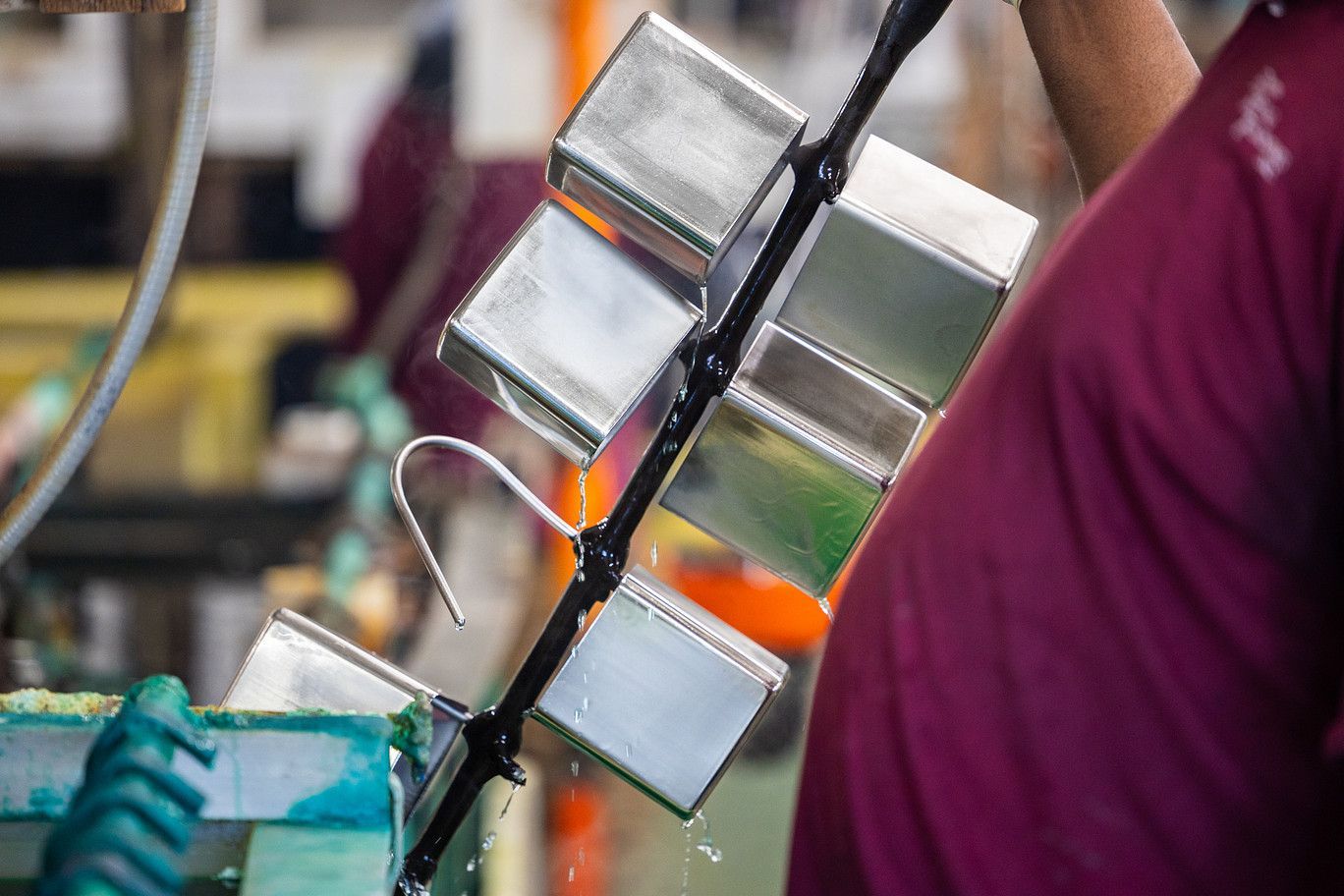
| Electropolishing | Brightening | Stainless Steel | Provides a brighter finish that customers often mistake passivation for. |
| Anodizing | Protection or Color | Aluminum | Creates a durable, spec-driven layer. |
| Plating | Corrosion Protection | Steel or Various | Offers corrosion resistance, such as zinc plating steel so it doesn't rust. |
When to Use Electropolishing
Electropolishing is chosen when a customer expects their stainless steel parts to be "brighter". Often, customers ask for passivation when they actually desire the high-luster aesthetic of electropolishing.
When Passivation is Enough
Passivation is the primary process for stainless steel when the goal is strictly functional—taking all the free iron out of the alloy to prevent rust without significantly changing the part's physical appearance.
When Anodizing is Required
Anodizing is specific to aluminum. It is used when a durable, often color-coded finish (like black anodize) is needed to meet strict aerospace or military specifications.
When Plating is the Best Option
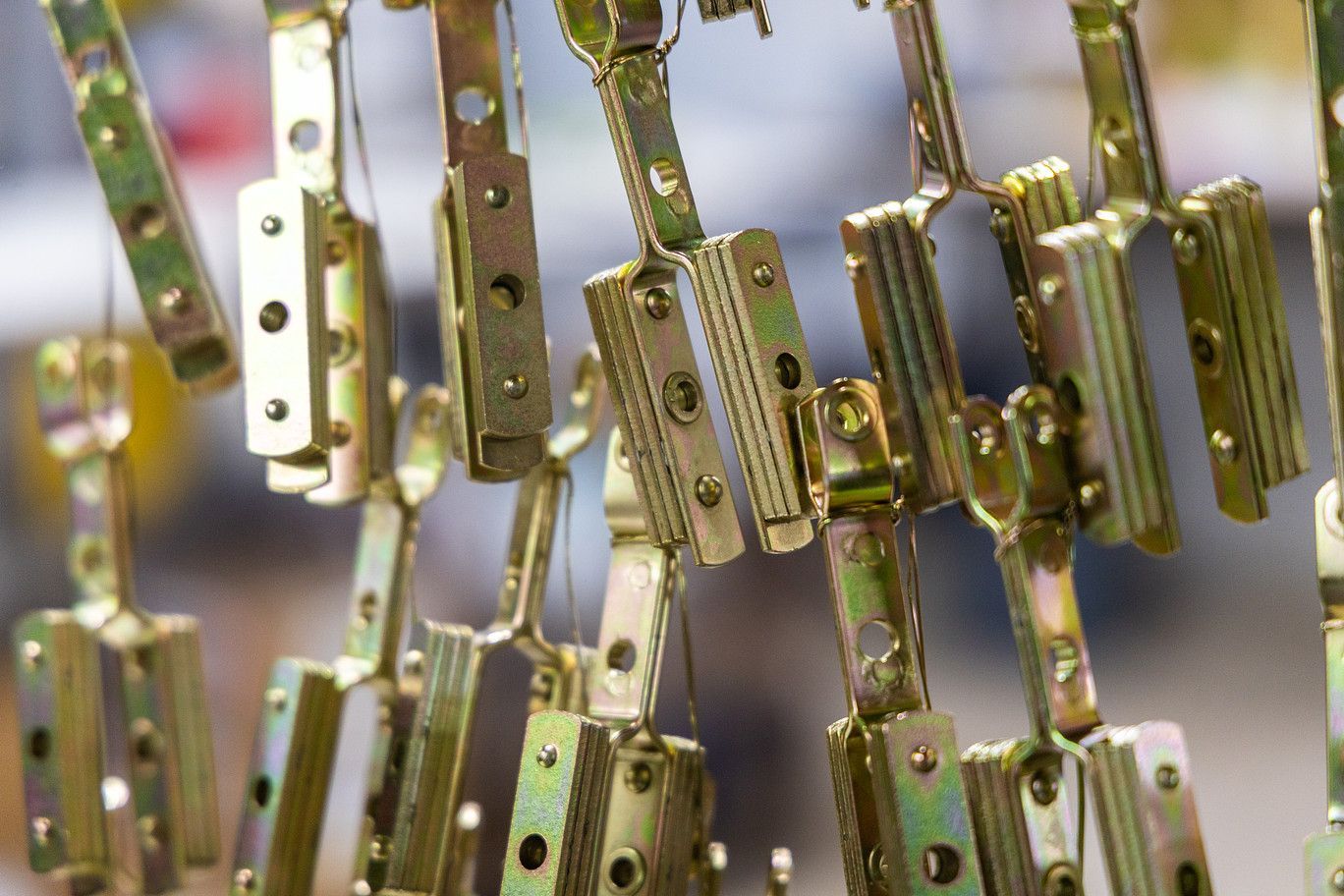
Plating, such as zinc, is used to protect steel from rust. It is a versatile process that can include regular zinc, zinc with clear chromate, or zinc with yellow chromate.
How Rayco Helps Solve This
Rather than guessing, Rayco often recommends:
- Sending sample parts
- Running trial finishes
- Letting the customer physically evaluate the result
Because in many cases, seeing and holding the part removes all uncertainty.
Choosing the right finishing process isn’t just about checking a box—it’s about aligning material, performance, and expectations.
The best outcomes happen when that decision is made collaboratively, with a clear understanding of what the part needs to do—and how it needs to look.
Frequently Asked Questions
Can you anodize steel?
No. A common mistake occurs when engineers copy and paste notes from an aluminum part drawing onto a steel part drawing, asking for black anodize on steel, which cannot be done.
Why doesn’t passivation change appearance?
Passivation is a chemical cleaning process designed to remove free iron to prevent rust; it is not meant to brighten the metal like electropolishing does.
What if I'm not sure which process I need?
Rayco encourages customers to send one or two sample pieces so they can perform the process (like electropolishing) and let the customer hold and look at the actual result before committing.
Can you provide different options for zinc plating?
Yes, you can specify regular zinc, zinc and clear chromate, or zinc and yellow chromate on your purchase order.
Need a reliable finishing partner that hits deadlines?
Get a fast, accurate quote with transparent pricing.